
Chandratal Lake — also called the Moon Lake — is one of India's most breathtaking high-altitude destinations. Nestled at around 4,300 metres in the Lahaul and Spiti district of Himachal Pradesh, this crescent-shaped turquoise lake is a must-visit for trekkers, road-trip enthusiasts, and anyone who wants to experience the raw beauty of the Himalayas. But before you pack your bags and head out, there are a few important things you should know to make your trip safe, enjoyable, and unforgettable.
Chandratal is not your typical tourist spot. It is a remote, high-altitude wilderness destination that requires preparation, respect for nature, and the right mindset. Whether you are planning a solo adventure or joining a group tour, reading these 15 things before you visit will help you make the most of your experience.
1. Chandratal Lake Is Open Only for a Few Months
Due to heavy snowfall and brutal winters, the roads leading to Chandratal Lake are completely blocked from late October until June each year. The lake and its surrounding area are only accessible during the warmer months, making it a truly seasonal destination. Planning your trip within this window is essential.
- June (late): Roads begin to open — patches of snow and muddy sections are common
- July: Peak summer — clear skies, green meadows, and vivid turquoise water
- August: Ideal weather, wildflowers in full bloom, great for camping
- September: Quieter crowds, cooler temperatures, still beautiful
Plan your trip well in advance, check road and weather conditions before you travel, and always have a flexible itinerary that accounts for possible road closures.

2. The Lake Is at a High Altitude
Chandratal Lake sits at approximately 4,300 metres (14,100 feet) above sea level — well into the high-altitude zone where Acute Mountain Sickness (AMS) becomes a serious concern. Your body needs time to adjust to the reduced oxygen levels. Even if you feel fine, the altitude can affect you suddenly, especially if you have ascended quickly without proper acclimatisation.
- Headache — often the first sign of AMS
- Dizziness — a warning to rest immediately and avoid further ascent
- Fatigue — more than usual tiredness even with minimal exertion
- Shortness of breath — especially during walking or any physical activity
Tip: Spend at least one or two nights in Kaza (3,800 m) before heading to Chandratal. Drink plenty of water, avoid alcohol, ascend slowly, and carry Diamox (acetazolamide) if prescribed by your doctor. If symptoms worsen, descend immediately.
3. You Can't Drive All the Way to the Lake
While you can drive quite close to Chandratal Lake, the final stretch involves a short trek of around 1.5 to 2 kilometres on foot from the designated parking area near the campsite. The path is straightforward and relatively easy at a leisurely pace, but the altitude makes even simple walking more tiring than usual. Wear comfortable trekking shoes, walk slowly, and take in the landscape around you — the meadows and mountain backdrop make even the approach to the lake an experience in itself.
4. Camping Near the Lake Is an Unforgettable Experience
There are no hotels, guesthouses, or permanent structures near Chandratal Lake — and that is precisely what makes staying here so special. The only accommodation option is camping in Swiss-style tents set up by licensed operators near the lake. Waking up to the sunrise over Chandratal, with the mountains reflected perfectly in the still water and the sound of absolute silence around you, is one of those travel experiences that genuinely lives up to the dream. Camps provide bedding, blankets, and basic meals. Book your camp in advance during peak season (July–September) as spots fill up quickly.
5. Carry Warm Clothes — Even in Summer
Chandratal may be a summer destination, but do not let that fool you into packing light. Night temperatures near the lake regularly drop to freezing — even in July and August. The cold desert climate, combined with the altitude, means you will need proper winter clothing for evenings and early mornings. The daytime sun can be warm, but cloud cover arrives quickly and temperature drops can be dramatic.
- Thermal wear (top and bottom) — essential for cold nights
- Down jacket or heavy fleece — a must after sunset
- Gloves — your hands will thank you at 4 AM
- Woollen cap — significant heat is lost through the head
- Warm socks — wool-blend is best
- Windproof jacket — protects against sudden cold gusts
Layering is key. The temperature can shift dramatically between midday and midnight, so dress in layers you can easily add or remove as conditions change.
6. Mobile Network Is Limited
As you travel deeper into Spiti Valley, mobile networks become increasingly unreliable. BSNL is the only network that offers any coverage in parts of the valley, and even that becomes patchy beyond Kaza. At Chandratal itself, there is zero mobile connectivity — no calls, no data, no WhatsApp, no Instagram. This is actually a gift in disguise: it forces you to be truly present. Before you leave Kaza or Manali, inform your family of your exact itinerary, download offline maps (Maps.me or Google Maps offline), and save emergency contact numbers. Carry a physical map of the Spiti region as a backup.
7. There Are Very Few Facilities
Chandratal Lake is a remote wilderness destination, not a tourist resort. There are no shops, pharmacies, petrol stations, ATMs, or convenience stores within easy reach of the lake. The nearest town with any real facilities is Kaza, roughly 90 km away. Everything you need for your stay must be carried with you from Kaza or Manali.
- Personal medicines — including AMS medication, ORS sachets, and basic first aid
- Power bank — there is no electricity at the campsites for charging
- Cash — card payments are not accepted anywhere in this area
- Water bottle — carry at least 2–3 litres per person each day
- Snacks and energy bars — for the drive, trek, and between meals
- Toiletries — basic items you might forget to pack (hand sanitiser, sunscreen)
Self-sufficiency is the key to a comfortable and enjoyable visit to Chandratal. The more prepared you are, the more you can relax and focus on the incredible landscape around you.
8. The Road Is an Adventure
The journey to Chandratal — whether you approach from Kaza via Kunzum Pass or from Manali via Rohtang — is one of the most dramatic road trips in India. The Batal to Chandratal stretch (approximately 14 km) is a rough, unpaved track that passes through river crossings, loose gravel, deep mud, and sections barely wide enough for one vehicle. A sturdy 4WD vehicle is non-negotiable — sedans and hatchbacks cannot handle this road.
- Narrow mountain roads — single-lane in many sections, requiring careful navigation
- Rocky terrain — expect a slow, bumpy ride even in a sturdy vehicle
- Water crossings — the route crosses several small streams, deeper after rain
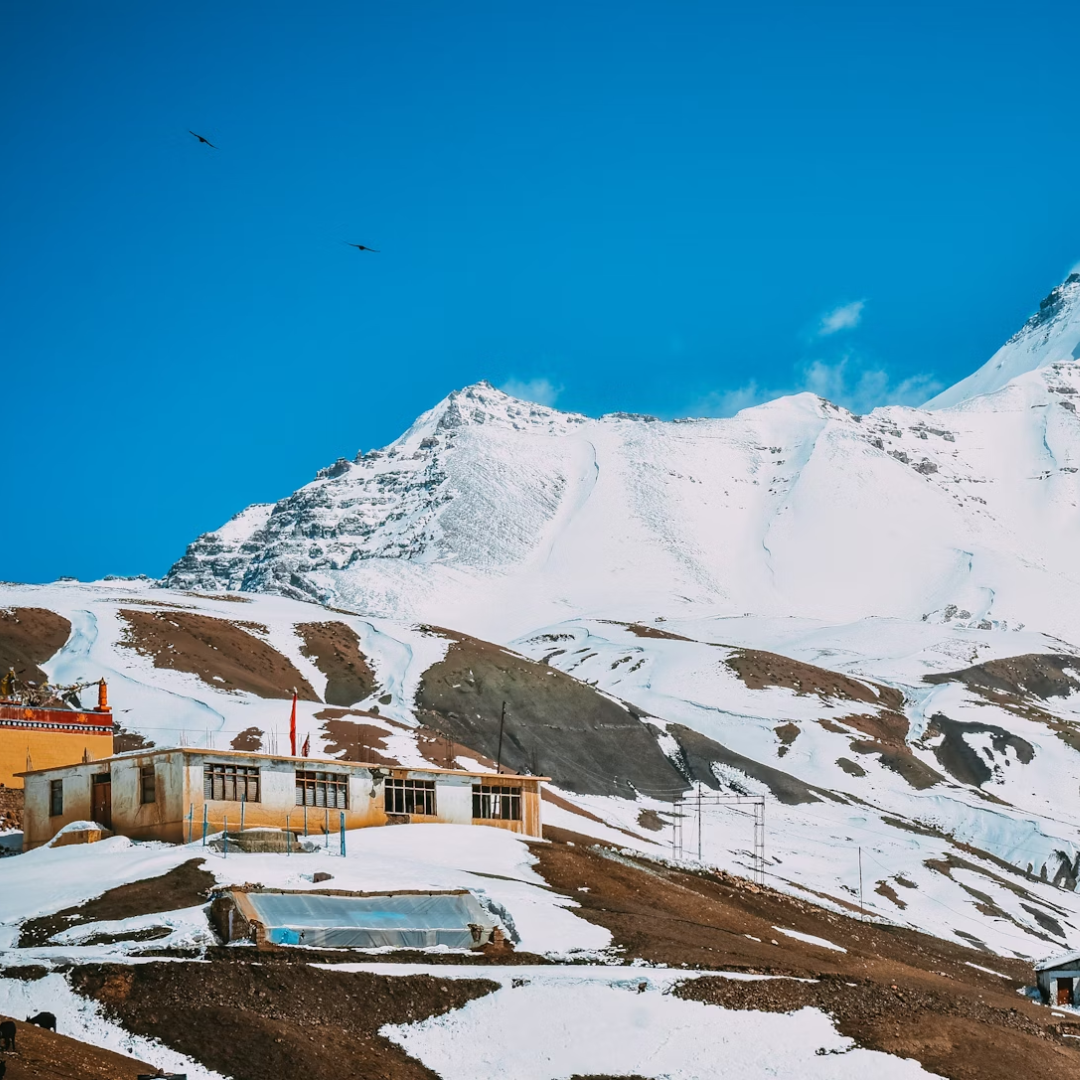
- Dramatic landscapes — barren brown mountains, glacial rivers, and sweeping valleys at every turn
The journey itself is as memorable as the destination — embrace the road, slow down, and enjoy the ride.
9. Respect Nature
Chandratal Lake is a Ramsar-protected wetland and part of the Chandratal-Baralacha Wildlife Sanctuary. It is one of the most fragile ecosystems in the Himalayas. Swimming in the lake, washing dishes or clothes in its water, and littering are strictly prohibited. The beauty you came to see exists because others before you protected it — it is your responsibility to ensure it stays that way for future generations.
- Taking all your waste back with you — zero-waste camping
- Avoiding plastic litter of any kind near the lake or along the road
- Staying on marked trails to protect the surrounding vegetation
- Not disturbing the wildlife — snow leopards, bharal, and migratory birds inhabit this area
- Respecting local guidelines issued by the forest department
Your visit should leave no trace. Let's keep Chandratal pristine for the generations of travellers who will come after you.
10. Sunrise and Sunset Are Magical
The colours of Chandratal at sunrise and sunset are unlike anything you will experience elsewhere. In the early morning, the lake lies perfectly still, reflecting the surrounding mountains and the changing colours of the sky in astonishing clarity. At sunset, the water takes on shades of gold, orange, and deep purple as the sun drops behind the Himalayas. These are the moments photographers travel thousands of miles to capture.
- Early morning — calm water gives perfect reflections; the best window for photography
- Evening — golden hues paint the mountains and lake in colours that seem almost unreal
Set your alarm early — the sunrise at Chandratal is one of those rare moments that stays with you for the rest of your life.
11. Stargazing Is Incredible
With virtually no light pollution for hundreds of kilometres in any direction, Chandratal offers some of the finest stargazing in India. On a clear night — which is most nights from July to September — the sky above the lake is an extraordinary sight: a dense canopy of stars so bright and numerous that it changes your perspective on scale and distance.
- The Milky Way — visible as a thick, glowing band across the entire sky
- Countless stars — far more than you have ever seen from any city
- Bright constellations — easily visible and identified with the naked eye
- Occasional meteor showers — especially spectacular in August during the Perseid shower
Lie back on the grass outside your tent and let the universe do the talking.
12. Stay Hydrated
At high altitudes, your body loses moisture faster than you realise — through breathing, sweating, and increased exertion. Dehydration is one of the most common mistakes travellers make at altitude, and it significantly worsens the symptoms of AMS. Drink at least 3 to 4 litres of water throughout each day, start drinking early in the morning, and sip water regularly rather than gulping large amounts at once. Avoid alcohol and caffeine for the first 48 hours after arriving at altitude, as both are diuretics that accelerate dehydration. Carry a reusable water bottle and refill it at every opportunity.
13. Pack Smart
A well-packed bag makes an enormous difference to your experience at Chandratal. The goal is to carry everything you need without overburdening yourself, especially since you will be walking at altitude. Focus on function over fashion — every item in your bag should have a clear purpose.
- Trekking shoes — waterproof, ankle-support, broken in before the trip
- Sunglasses — UV-protective; the sun at altitude is much more intense
- Sunscreen — SPF 50+ and reapply every few hours
- Lip balm — cold air and UV radiation dry lips quickly
- Water bottle — reusable, minimum 1-litre capacity
- Personal medication — including AMS meds, ORS, paracetamol, and any prescription drugs
- Camera — this is one of the most photogenic places on earth
- Power bank — no electricity at camps
- Warm clothing — thermals, jacket, gloves, cap
- Rain jacket — afternoon thunderstorms can arrive quickly in summer
Pack light but pack right — every item in your bag should serve a purpose, and a good kit will let you focus entirely on enjoying the experience.
14. Combine Chandratal with a Spiti Valley Trip
Chandratal Lake is not a standalone day trip — it is best experienced as the grand finale of a longer journey through Spiti Valley. The valley is home to a remarkable concentration of high-altitude villages, ancient monasteries, record-breaking landmarks, and dramatic landscapes that deserve several days to explore properly. Most group tours from Delhi spend 7 to 9 days covering the circuit before arriving at Chandratal.
- Kaza — the administrative capital of Spiti, base for exploring the valley
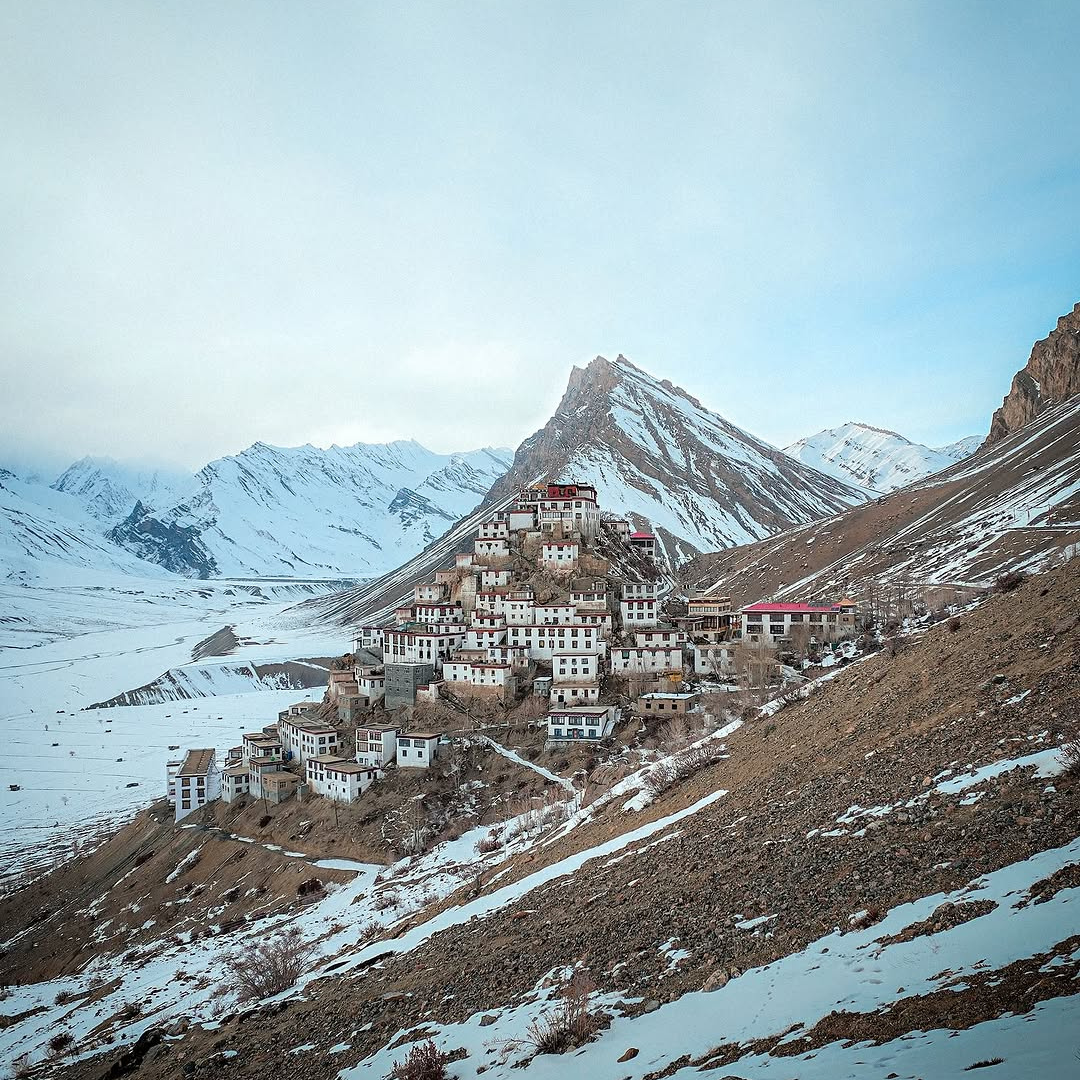
- Key Monastery — a spectacular 11th-century monastery on a hilltop above the Spiti River
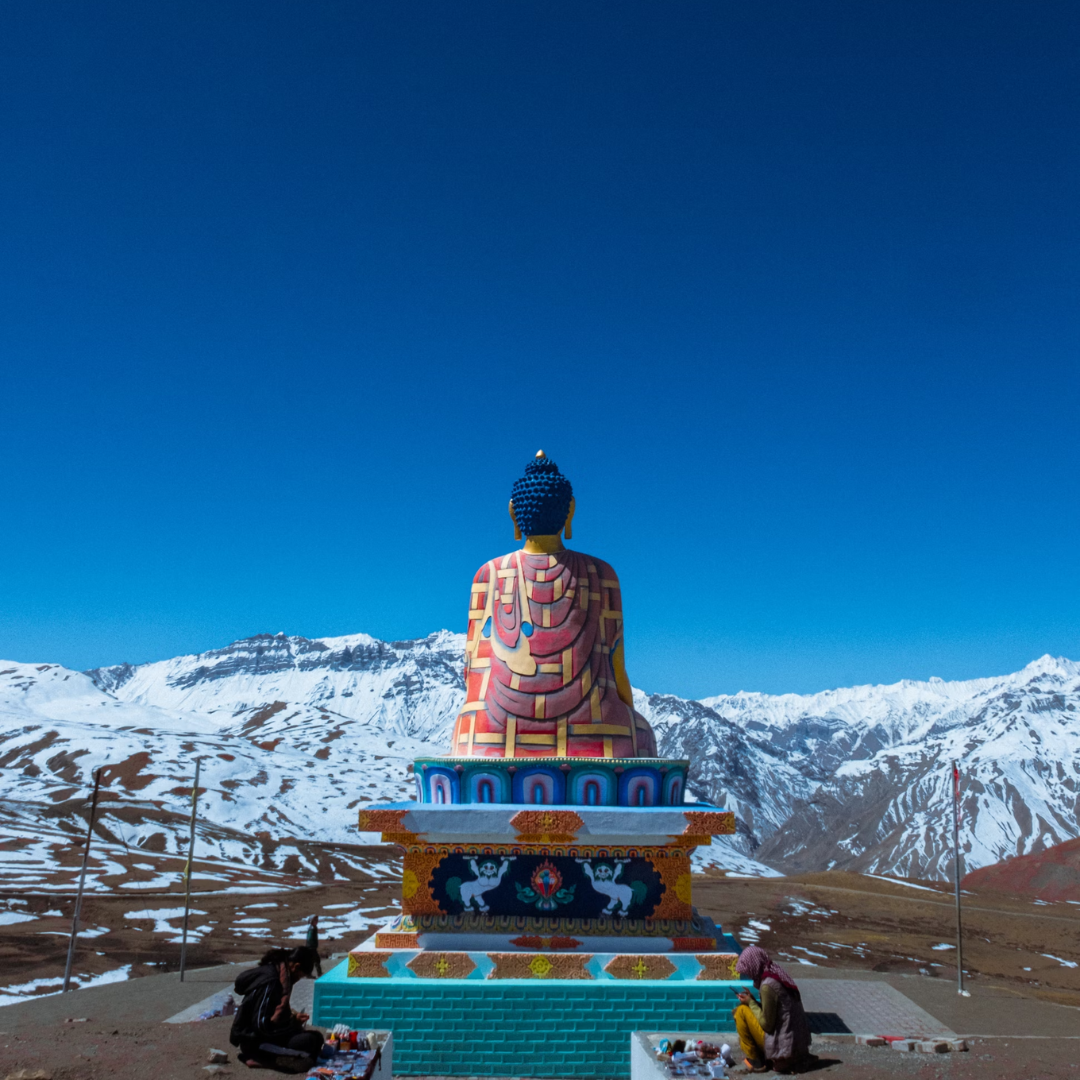
- Langza — a village with a giant Buddha statue and fossil-rich hillsides
- Hikkim — home to the world's highest post office (4,400 m)
- Komic — one of the world's highest motorable villages
- Kibber — a high-altitude village with dramatic views of the valley
- Chicham Bridge — Asia's highest suspension bridge
- Kunzum Pass — a sacred high mountain pass at 4,551 m, gateway to Chandratal
A 7–9 day itinerary through Spiti Valley with Chandratal as the grand finale is one of the most rewarding road trips in all of India.
15. Travel with the Right Group
Chandratal is not a destination for poorly planned solo adventures, especially for first-time visitors to high-altitude terrain. The remote location, rough roads, unpredictable weather, and medical risks at altitude all make it essential to travel with experienced people who know the route, have the right equipment, and can handle emergencies. Joining a well-organised group tour is the safest and most enjoyable way to experience Chandratal.
- Comfortable stays at every stop on the Spiti circuit
- Experienced trip captains who know every road, village, and monastery
- Reliable 4WD transportation built for mountain roads
- Local support and emergency protocols for altitude-related situations
- Carefully designed itineraries with proper acclimatisation built in
Travelling with the right group transforms a challenging high-altitude expedition into an unforgettable, joyful adventure shared with like-minded people.
Bonus Travel Tips
- Start your journey early each day — mountain weather changes rapidly after noon
- Carry enough cash for remote areas — ATMs in Kaza can run dry in peak season
- Charge all your devices before leaving Kaza or Manali — no electricity at camps
- Check road and weather conditions before traveling — Kunzum Pass can be blocked after rain
- Respect local customs and the environment — Spiti is a sacred land
Final Thoughts
Chandratal Lake is one of those rare places that genuinely humbles you. Standing at its edge, surrounded by the Himalayas, watching the turquoise water shimmer in the thin mountain air, you realise that some of the most beautiful things on earth exist in the most remote and demanding places — and that reaching them is part of what makes them special.
Go prepared, go responsibly, and go with your heart open. Chandratal will reward you with memories that no photograph can fully capture.
Explore Chandratal Lake with Serenade Travels
At Serenade Travels, our Summer Spiti with Chandratal Lake trip is designed to take you through the very best of the Spiti Valley circuit — from Shimla and Kinnaur to Kaza, Key Monastery, Hikkim, Chandratal Lake, and back to Manali — with experienced trip leaders, comfortable stays, and a small batch of like-minded travellers. Fixed departures every week through July, August, and September.
Ready to Experience It?
Summer Spiti with Chandratal Lake
Join a group departure with Serenade Travels — all logistics handled, experienced trip leader included.
View Trip Details →